


On-page optimisation
You might recognise this scenario: you have plenty of content, but your pages aren’t ranking. You’ve added keywords, but Google doesn’t seem to understand your website. Often, this isn’t down to a lack of effort on your part, but to poor on-page optimisation. On-page optimisation ensures that every page is clearly structured, focuses on a single clear topic and is technically sound. Without strong titles, logical headings and a good internal linking structure, your visibility will lag behind.
-

A clear structure on each page so that Google understands what your site is about
-
Targeted keyword focus without overlap or confusion
-
A technically robust foundation with fast loading times and internal links
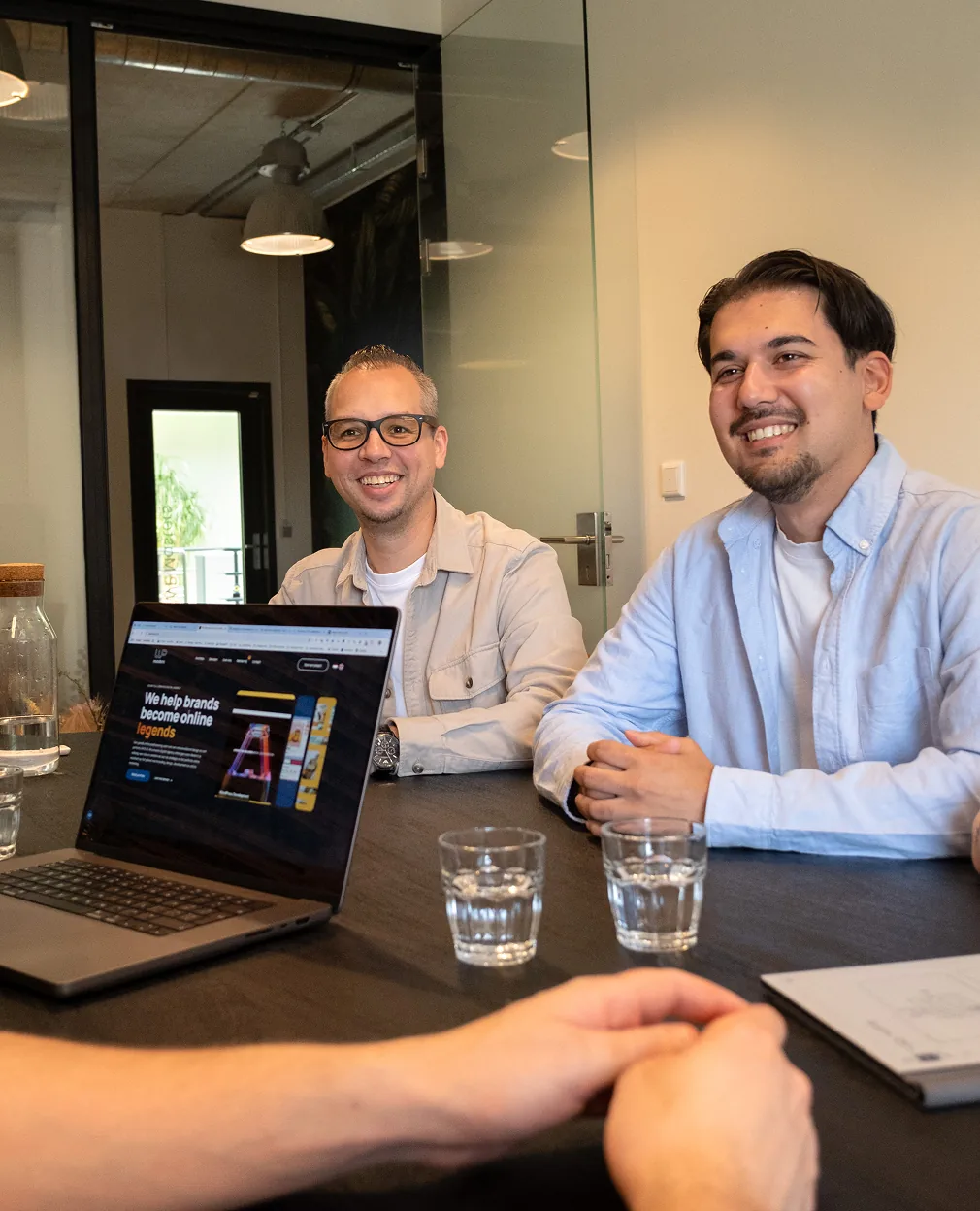
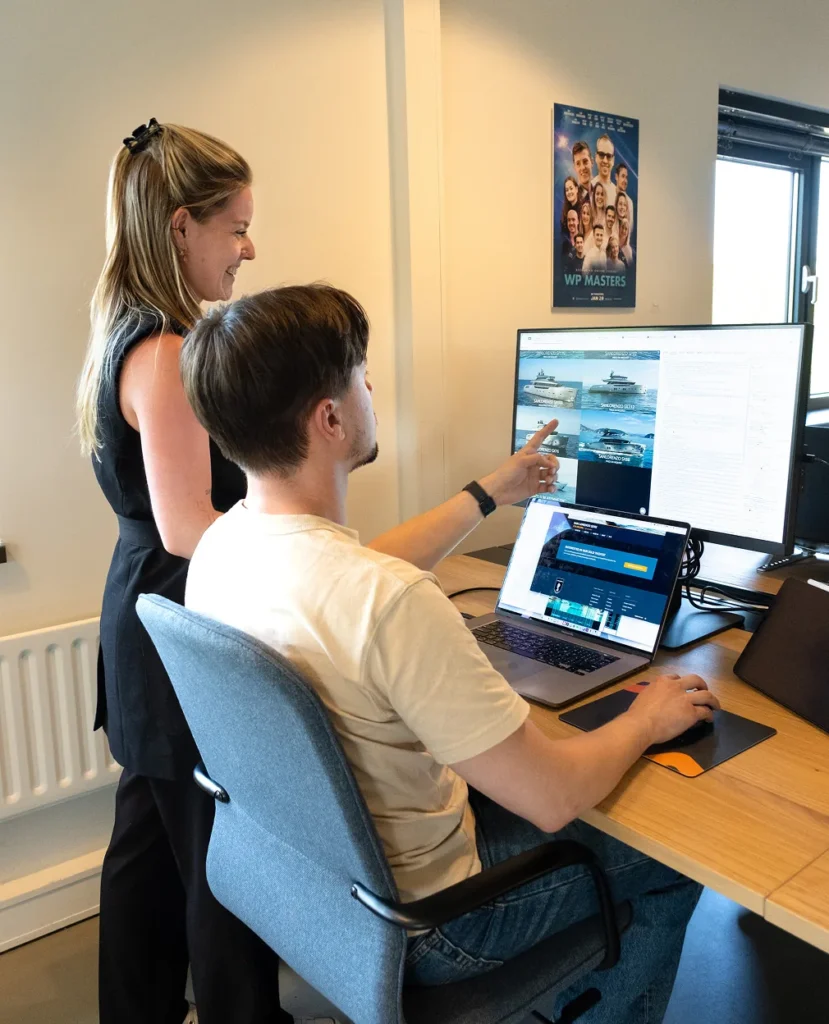
What does on-page optimisation involve?
On-page optimisation means improving everything on your own web page to rank higher in Google. Think of strong content, a clear H1 structure, well-placed keywords, internal links and optimised titles and meta descriptions. With on-page search engine optimisation, you make sure Google understands what your page is about and that visitors immediately find what they are looking for.
What is on-page SEO in concrete terms? It is aligning your content with search intent. You use the main keyword naturally, incorporate semantically relevant terms and structure your page logically. Good on-page SEO is not about using as many keywords as possible, but about clear, relevant content that suits both the user and the algorithm.
Plan your appointmentWhy is on-page optimisation important?
On-page optimisation is important because it determines whether Google sees your page as relevant and valuable. Without strong on-page SEO, a search engine does not properly understand what your page is about or which search query it is intended for. With targeted on-page search engine optimisation, you make sure your content, headings, internal links and keywords work together logically and match the user’s search intent.
On-page optimisation also directly influences your rankings, click-through rate and conversion. Google uses NLP technology to look at context, semantics and coherence. The more clearly your page is structured, the greater the chance that you appear above competitors. It strengthens your authority within a topic and helps visitors find what they are looking for faster.

What our clients say
Our clients experience the difference that strategic on-page optimisation makes every day. They see better rankings on Google, increased organic traffic and a clear rise in enquiries and turnover. Below, you can read about their experiences of our collaboration and the results achieved.


"For the 'Deskfinder' platform, we had a long list of ideas about how we envisioned the website. From the moment we met WP Masters, they, along with a team of specialists, worked alongside us as true partners, and together we brought this project to a beautiful result. WP stands for collaboration, creativity, and results!"

"Een heel erg fijn bedrijf om mee te werken. Voor de launch van onze nieuwe website van Combekk hebben wij contact gehad met verschillende medewerkers binnen WP. Elk contactpersoon was gedreven en kundig. Daarnaast was de samenwerking ook erg prettig en constructief. In de toekomst gaan we zeker nog meer samenwerken met WP!"

"Onze website is klaar en gebouwd door wpmasters.nl uit Amsterdam. Zéér over tevreden en die hebben super samengewerkt met Digibusiness/Navisnet van Gabriele Mendi. Beide partijen waren onder de indruk van elkaars kunnen en hebben door de samenwerking elkaar naar een nog hoger level geduwd."

"Hun prettige manier van communiceren, gecombineerd met een team van enthousiaste en hardwerkende specialisten, maakt echt het verschil. Ze hebben een complete re-design van onze website gerealiseerd en verzorgen nu onze volledige online marketing. Samen hebben we doelstellingen gezet en ik kan niet wachten tot we die gaan waarmaken."

"Fijne club! Fijn mee samengewerkt om mijn nieuwe websites te bouwen. Kundig, snel, relatief betaalbaar en uiteindelijk natuurlijk gelikte websites waar ik goed mee voor de dag kom bij mijn klanten."

"WP Masters provides us with professional guidance, proactive management of the online (Google) marketing budget, and prompt follow-up on requests. Additionally, the monthly standups are great for staying active and on-the-ball."

Technical and content-based on-page SEO in one approach
Effective on-page optimisation combines technology and content in one clear strategy. Many businesses focus only on copy, but strong on-page SEO goes further. Think of a logical URL structure, fast loading times, internal links, correct headings and optimised meta titles. At the same time, the content must match the search intent, contain relevant entities and be semantically well structured. That is the core of good on-page search engine optimisation.
Technology ensures that Google can crawl and understand your page correctly. Content ensures that visitors keep reading and take action. By bringing these two elements together, you strengthen relevance around your main keyword, on-page optimisation, and build authority within your topic. Modern algorithms use NLP to analyse context and coherence. That is why it is important to focus not only on individual keywords, but on meaning, structure and user experience.
Plan your appointment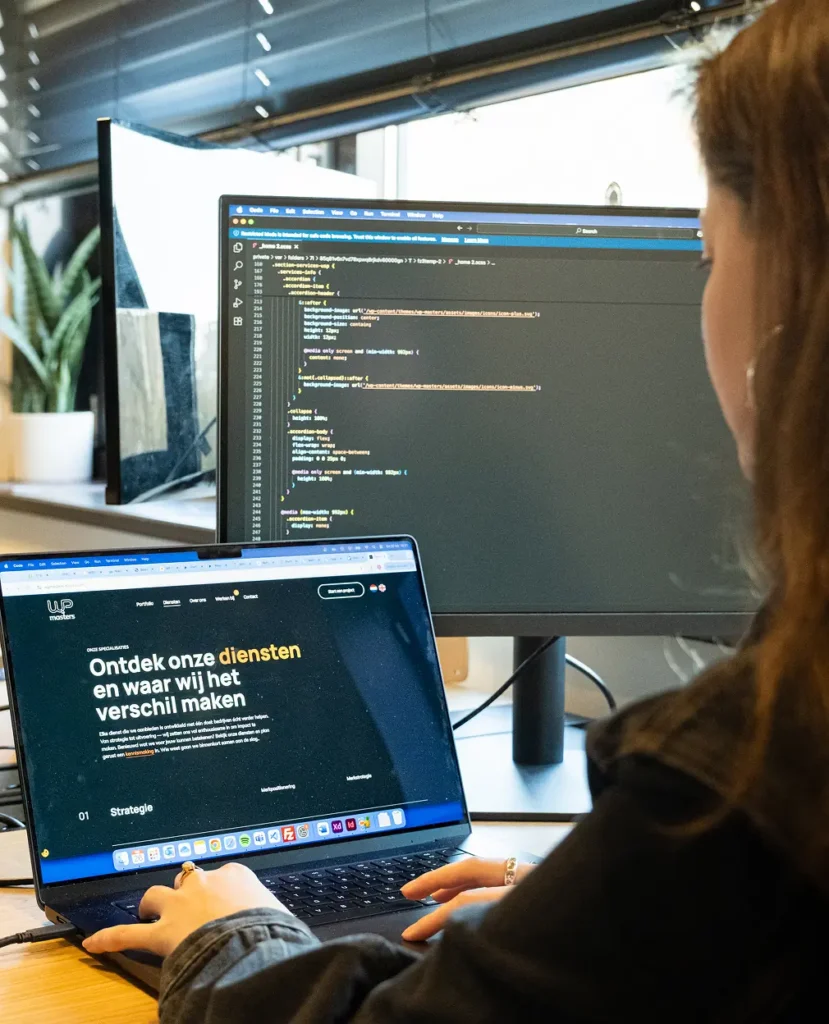
Outsourcing on-page SEO to a specialist
Outsourcing on-page optimisation to a specialist means choosing structure, strategy and measurable results. Good on-page SEO requires more than just adjusting copy. It is about search intent, content structure, internal links, headings, meta data and technical signals to Google. With professional on-page search engine optimisation, every page is aligned with relevant keywords and semantic coherence, so that you are better understood by both users and search engines.
A specialist looks beyond just the main keyword. They analyse the competition, search behaviour and the way Google interprets context using NLP technology. What is on-page SEO in practice? It is optimising content and technology so that you build authority within a topic and rank higher structurally. This strategic approach prevents pages from getting stuck in low positions despite good content.
Plan your appointmentFrequently Asked Questions
Achieve higher rankings in Google based on data!
We utilise search data to improve your overall SEO: technology, content, internal links, authority, and the overall experience for your visitors.
